October 20, 2026
Hiring a local asphalt contractor can significantly improve the durability, appearance, and lifespan of a residential driveway. Professional asphalt paving involves more than simply applying new pavement. Proper site preparation, material selection, drainage planning, and ongoing maintenance all contribute to long-term performance. Experienced contractors understand regional weather conditions, soil characteristics, and installation requirements that influence driveway stability. Their knowledge helps homeowners avoid common problems such as premature cracking, potholes, and uneven surfaces. Understanding the benefits of professional installation and preventative maintenance allows property owners to make informed decisions that protect their investments.
Understanding the Importance of Professional Asphalt Installation
Professional asphalt installation establishes the foundation for a durable driveway capable of withstanding daily vehicle traffic and changing weather conditions. Experienced paving professionals evaluate the existing ground conditions before beginning construction. They determine whether additional excavation, grading, or base preparation is necessary to support the finished pavement. These preliminary steps help prevent structural weaknesses that could eventually lead to expensive repairs.
Quality installation also provides long-term financial advantages. Although professional services may involve higher initial expenses than inexperienced alternatives, proper workmanship reduces the likelihood of premature deterioration. A local asphalt contractor can recommend appropriate materials and installation techniques based on regional conditions. Additionally, professionally installed pavement creates a smooth, attractive surface that improves accessibility, enhances curb appeal, and contributes to the property's overall appearance.
Selecting the Right Asphalt Paving Professional
Choosing a qualified paving professional requires evaluating experience, reputation, and customer service. Homeowners should research potential contractors, examine customer reviews, and request references from previous projects. Photographs of completed driveways can provide additional insight into workmanship and attention to detail. Verifying applicable licensing requirements and insurance coverage also helps protect property owners throughout the construction process.
Requesting multiple written estimates allows homeowners to compare pricing, materials, preparation methods, and anticipated completion schedules. However, selecting the least expensive proposal does not necessarily provide the greatest value. An unusually low estimate may exclude essential preparation work or involve lower-quality materials. A dependable local asphalt contractor should explain the proposed installation process, answer questions, and provide transparent information about project expectations. Clear communication establishes confidence and helps prevent misunderstandings before construction begins.
Preparing the Driveway for Proper Installation
Successful asphalt paving begins with thorough site preparation. Contractors assess existing pavement, soil stability, drainage patterns, and driveway dimensions to determine the necessary groundwork. Depending on site conditions, preparation may involve removing deteriorated pavement, excavating unstable soil, and installing a properly compacted aggregate base. These steps establish the structural support necessary for long-term pavement performance.
Drainage planning is particularly important because standing water can weaken pavement foundations and accelerate deterioration. Proper grading directs rainwater away from vulnerable areas and surrounding structures. Contractors also evaluate driveway edges, transitions, and anticipated vehicle loads when preparing the site. Addressing these considerations before installation helps minimize settling, surface irregularities, and other preventable complications.
Applying Asphalt for Maximum Durability
The asphalt installation process requires specialized equipment, appropriate material temperatures, and careful coordination. Once the foundation is prepared, paving professionals distribute the asphalt mixture evenly across the designated surface. Maintaining suitable installation temperatures allows the material to remain workable during placement and compaction. Improper handling can contribute to inconsistent thickness, weak areas, and premature pavement deterioration.
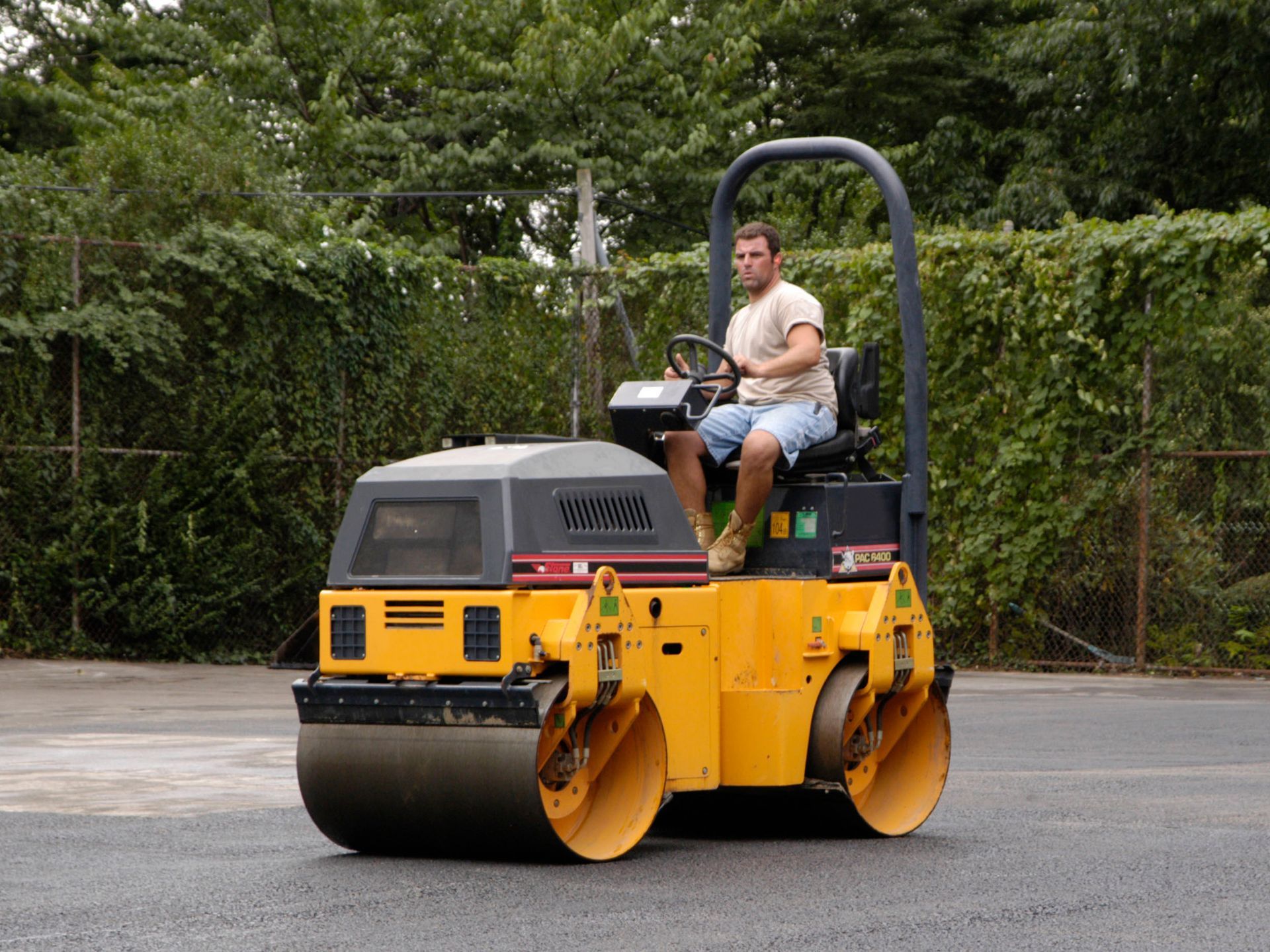
Compaction is another essential component of successful installation. Heavy rollers compress the asphalt to achieve the density necessary for structural strength and resistance to moisture penetration. A local asphalt contractor understands how weather conditions, pavement thickness, and equipment selection influence this process. Following installation, contractors may inspect the finished surface for uneven areas, drainage concerns, or visible imperfections. Homeowners should also receive guidance regarding when the driveway can safely accommodate vehicle traffic.
Protecting Asphalt With Preventative Maintenance
Routine maintenance helps preserve asphalt driveways by addressing surface deterioration before significant structural problems develop. Exposure to sunlight, moisture, vehicle traffic, and temperature fluctuations gradually affects pavement condition. Small cracks can allow water to penetrate underlying layers, potentially weakening the foundation and creating larger openings. Identifying and repairing these problems early reduces the likelihood of extensive restoration work.
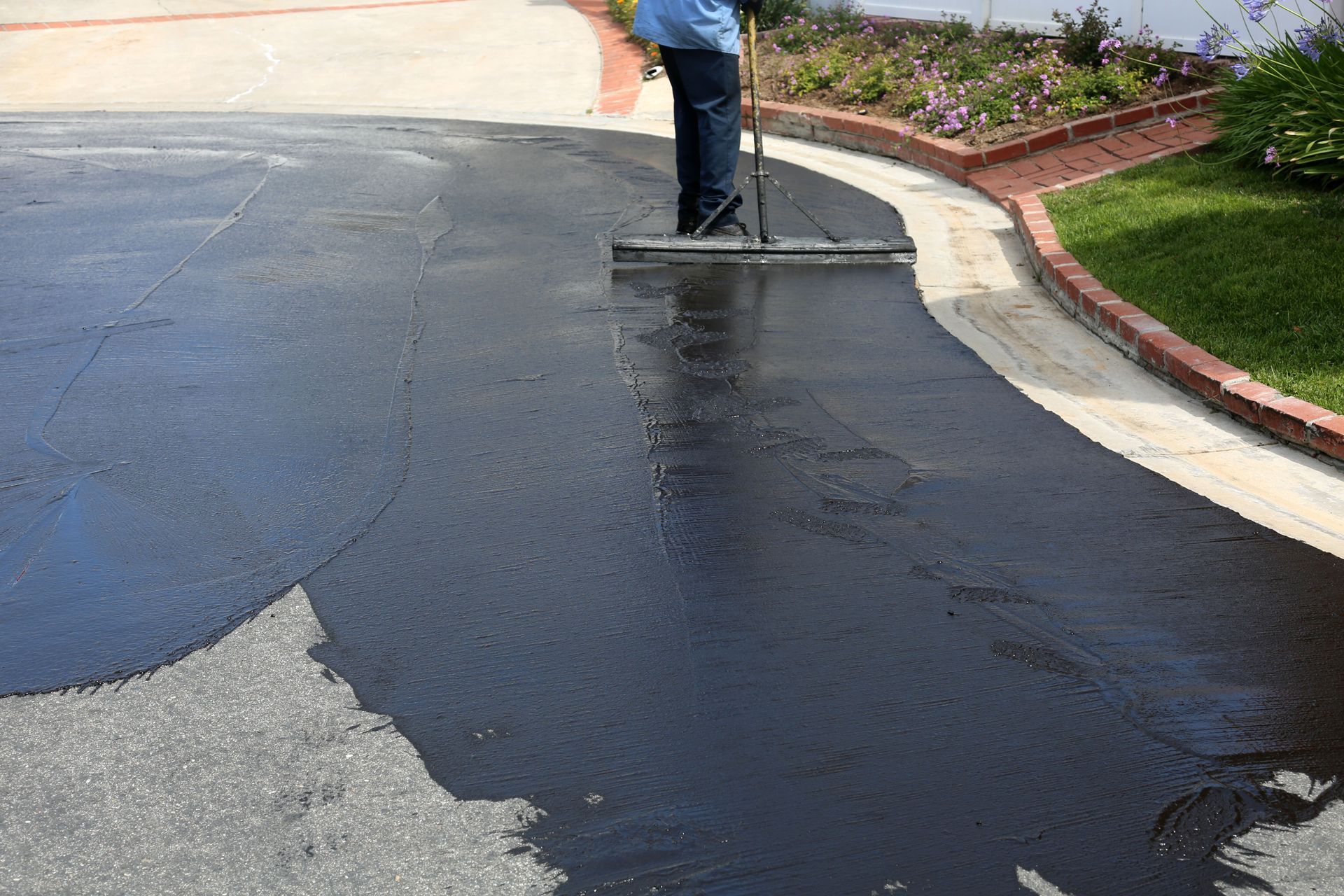
Sealcoating provides an additional protective treatment that helps reduce exposure to ultraviolet radiation, moisture, and certain automotive fluids. According to HomeGuide, applying sealcoat every two to three years is a common recommendation for protecting asphalt driveways. However, the appropriate schedule depends on pavement condition, climate, traffic, and product specifications. Homeowners should allow newly installed asphalt to cure sufficiently before applying sealcoat. Regular cleaning and timely crack repairs further support effective pavement maintenance.
Managing Seasonal Weather and Drainage Challenges
Seasonal weather conditions can significantly influence driveway performance. In colder climates, moisture entering pavement cracks may freeze and expand, increasing the risk of surface damage. Repeated freezing and thawing can gradually weaken vulnerable sections. During warmer months, prolonged heat and sunlight contribute to oxidation and surface aging. Heavy rainfall presents additional concerns when inadequate drainage allows water to collect near pavement edges or beneath the driveway.
Working with a local asphalt contractor provides access to recommendations suited to regional weather patterns. Professionals can identify drainage deficiencies, recommend appropriate repair materials, and establish seasonal maintenance priorities. Homeowners should also keep nearby gutters, drainage channels, and downspouts functioning properly. Removing debris and preventing concentrated water runoff can help protect pavement from unnecessary moisture exposure throughout the year.
Recognizing Signs of Driveway Deterioration
Recognizing early warning signs allows homeowners to address asphalt problems before they become more expensive. Visible cracks, potholes, crumbling edges, and uneven pavement may indicate surface deterioration or underlying structural concerns. Pooling water after rainfall can suggest inadequate grading, settling, or drainage problems. These conditions deserve attention because prolonged moisture exposure can accelerate pavement damage.
Fading asphalt and a rough, brittle surface may indicate oxidation and gradual loss of flexibility. Although cosmetic changes do not always require immediate replacement, they can signal the need for professional evaluation. More serious concerns include widespread interconnected cracking, recurring potholes, and noticeable depressions. A qualified contractor can determine whether localized repairs, resurfacing, or complete replacement represents the most practical solution.
Comparing Professional Repairs and DIY Maintenance
Homeowners can perform certain basic maintenance tasks independently, including removing debris, cleaning minor stains, and monitoring surface conditions. Some small cracks may also be suitable for homeowner repairs when appropriate products and preparation methods are used. However, extensive cracking, drainage failures, and structural deterioration generally require professional equipment and expertise.
A local asphalt contractor can evaluate whether visible damage originates at the surface or within the supporting foundation. This distinction matters because temporary surface repairs may not resolve deeper problems. Professional assessments help homeowners avoid repeatedly spending money on ineffective treatments. Contractors can also recommend repair methods that complement existing pavement conditions and expected vehicle usage.
Developing a Long-Term Driveway Maintenance Plan
Establishing a consistent maintenance schedule supports driveway longevity and makes future expenses more predictable. Homeowners should inspect pavement periodically, particularly following severe weather or significant seasonal temperature changes. Cleaning accumulated debris, monitoring cracks, and addressing drainage concerns can prevent relatively minor issues from developing into larger problems. Maintaining records of completed repairs and treatments also helps track pavement performance.
Budgeting for routine maintenance allows property owners to prepare for eventual sealcoating, crack filling, and resurfacing expenses. An experienced local asphalt contractor can help establish realistic maintenance intervals based on driveway age, traffic levels, and environmental exposure. Regular professional evaluations provide opportunities to identify emerging concerns and determine whether existing maintenance strategies remain effective.
Partnering with a trusted local asphalt contractor provides valuable guidance throughout the driveway's lifespan. From initial installation to routine evaluations and necessary repairs, professional expertise helps homeowners make informed maintenance decisions. Investing in quality workmanship and establishing a practical care schedule can preserve driveway appearance, improve everyday functionality, and reduce avoidable expenses over time. Contact our team at Stanley Paving LLC today and learn more about our asphalt paving services.