August 14, 2026
Investing in residential or commercial paving projects enhances property value, improves curb appeal, and ensures smooth vehicle navigation across driveways or parking areas. Installing or resurfacing pavement requires substantial financial commitment, specialized equipment, and technical expertise to achieve long-lasting structural integrity. Property owners often struggle to evaluate competing paving companies, leading to confusion regarding project scope, material quality, and labor standards. Hiring an unqualified crew can result in premature cracking, inadequate drainage, subbase failure, and costly corrective repairs. Asking structured, targeted questions before signing any service contract empowers property owners to verify professional standards, compare estimates accurately, and protect their physical investment. Partnering with a qualified asphalt contractor ensures that your paving project receives expert installation, durable materials, and long-term performance.
Asking About Licensing and Insurance Credentials
Verifying legal qualifications and insurance coverage is an essential initial step when evaluating any prospective paving specialist. A reputable paving business holds active state municipal licenses, demonstrating compliance with local building codes, safety regulations, and trade standards. Homeowners should request formal proof of licensure and verify that registration remains in good standing with regulatory authorities prior to project commencement. Working with a fully licensed team protects property owners from substandard craftsmanship, noncompliant construction practices, and unexpected legal complications.
Insurance coverage provides critical protection against potential financial liabilities arising from site accidents, property damage, or technician injuries during heavy paving operations. Comprehensive general liability insurance shields household structures and surrounding property against accidental damage caused by heavy machinery or material spills. Additionally, active workers' compensation insurance ensures that medical costs or lost wages for injured personnel remain the sole responsibility of the company. Engaging a certified asphalt contractor guarantees that property owners remain fully protected against unexpected financial risks throughout the duration of construction.
Asking About Previous Project Experience
Evaluating practical industry experience helps property owners assess whether a paving team possesses the specialized knowledge required for specific project scopes. Seasoned paving professionals bring extensive technical expertise to job sites, enabling them to navigate complex soil conditions, steep slopes, and unique drainage challenges effectively. Prospective clients should ask how long the business has been operating in the local region and request examples of completed residential driveways or commercial parking areas. Reviewing local portfolios provides clear visual evidence regarding craftsmanship quality, surface smoothness, and edge finishing details.
Requesting references from recent local clients allows property owners to gather genuine feedback concerning punctuality, communication standards, and overall customer satisfaction. Speaking directly with past clients reveals how well crew members adhere to project schedules, manage noise levels, and maintain clean work zones. An established paving firm willingly provides client contact information and stands behind its reputation within the surrounding community. Choosing an experienced asphalt contractor ensures that your surface installation benefits from time-tested paving techniques and proven site management standards.
Asking About Equipment and Crew Capabilities
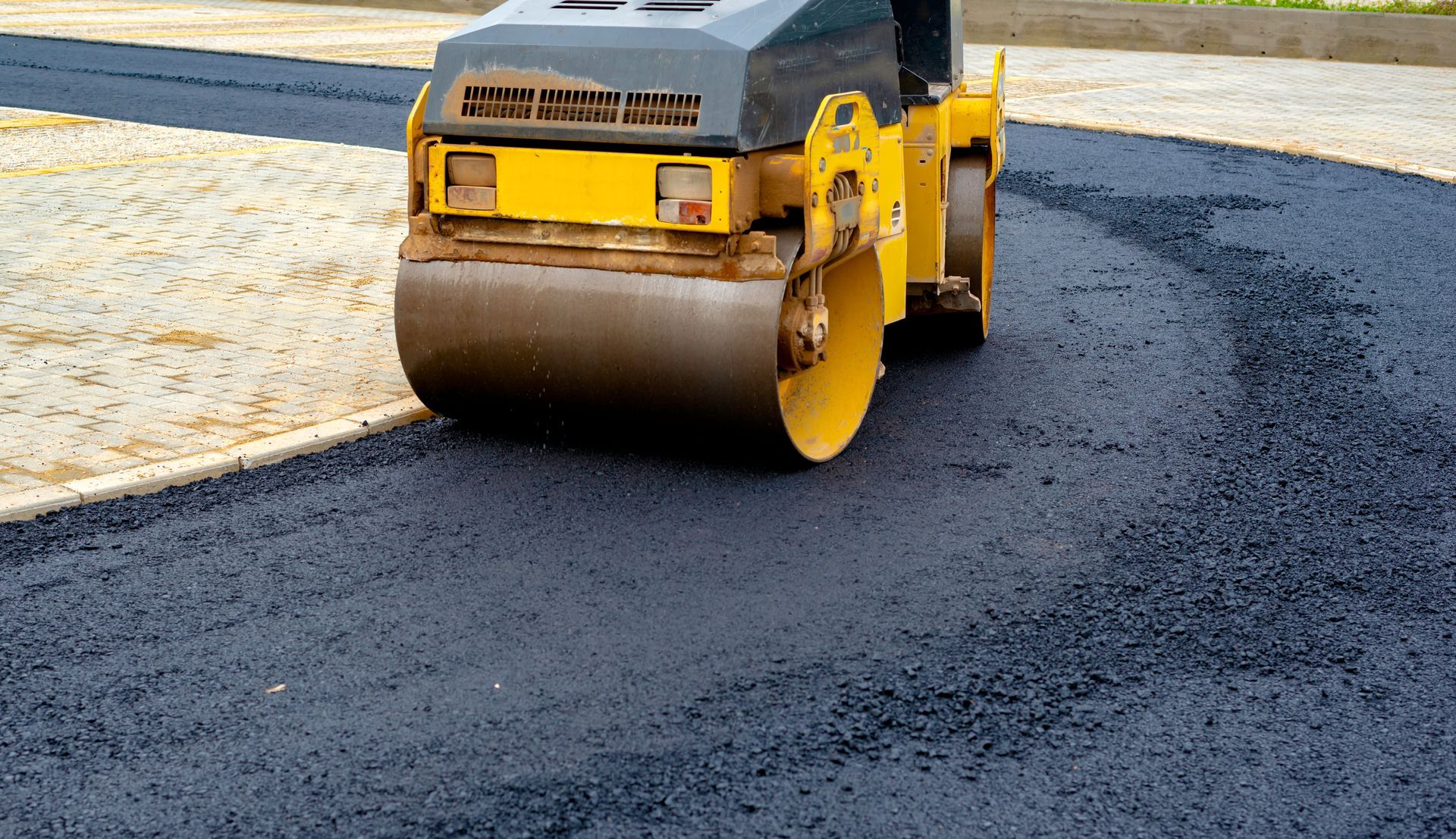
The quality and condition of heavy machinery directly influence the structural integrity and aesthetic uniformity of finished pavement surfaces. Modern paving operations rely on specialized equipment, including mechanical pavers, heavy rollers, asphalt distributors, and soil compactors, to achieve optimal density and smoothness. Inquiring about equipment maintenance routines ensures that machinery operates reliably on site without causing oil leaks or mechanical breakdowns during critical hot mix applications. Well-maintained equipment allows technicians to lay uniform hot mix layers before material temperature drops below workable limits.
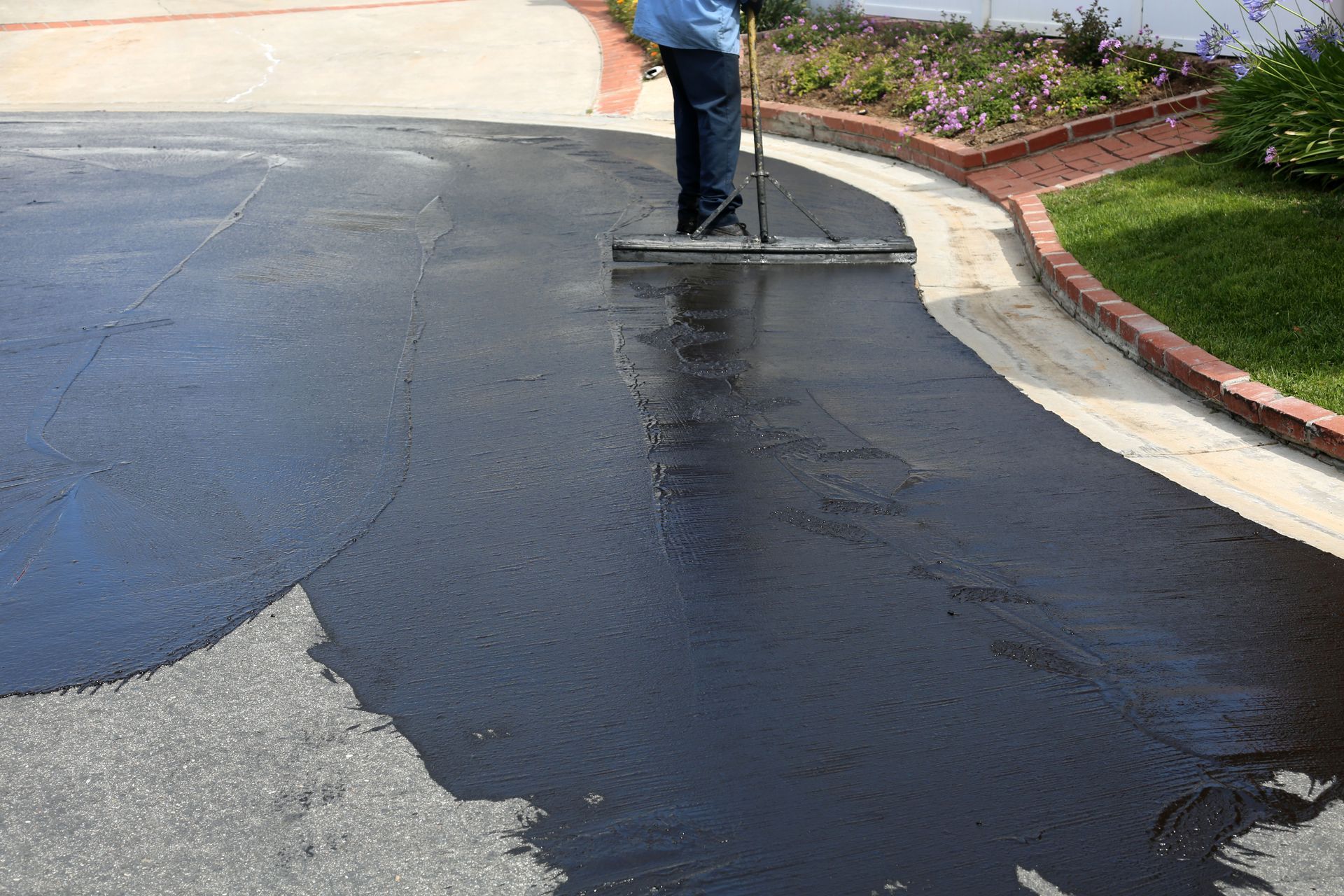
Inquiring about crew size and technician experience levels ensures that sufficient personnel are deployed to manage rapid paving operations seamlessly. Asphalt material requires swift, precise handling before cooling occurs, necessitating coordinated teamwork across raking, leveling, and rolling processes. Dedicated project managers oversee site operations, ensuring that compaction standards are met and seam transitions remain virtually invisible. Securing an equipped asphalt contractor guarantees that dedicated personnel manage every phase of material placement with precision and technical efficiency.
Asking About Written Estimates and Warranties
Financial clarity and transparent contractual terms prevent unexpected expenses, hidden fees, and disputes regarding project boundaries. Dependable paving contractors provide detailed written estimates outlining material quantities, subbase depth, asphalt thickness, labor expenses, and permit fees. Property owners should avoid vague verbal agreements, ensuring that all proposed specifications are clearly documented within formal binding contracts. Requesting itemized breakdowns allows clients to compare bids fairly and understand precisely what materials and services are included in the projected investment.
Inquiring about formal warranty protection demonstrates a company's confidence in its craftsmanship and material durability. Comprehensive warranties cover labor performance, structural surface defects, premature cracking, and standing water issues for a specified period after installation. Reviewing warranty terms helps property owners understand coverage boundaries, maintenance obligations, and claims procedures in the event of minor surface settling. Selecting a transparent asphalt contractor ensures that your financial investment remains safeguarded by clear written contracts and reliable post-installation guarantees.
Asking About Site Preparation and Timelines
A durable pavement surface relies heavily on proper subbase excavation, grading, and compaction performed prior to applying hot surface mix. Inadequate ground preparation leads to soft spots, subbase shifting, severe potholes, and rapid structural failure under vehicle weight over time. Property owners should ask detailed questions regarding excavation depth, aggregate base materials, slope angles for water runoff, and subbase compaction methods. Thorough site preparation creates a solid foundation capable of supporting heavy traffic loads while preventing water accumulation near property foundations.
Clarifying project timelines, start dates, and weather contingency plans helps homeowners prepare for temporary driveway closures and vehicle relocation. Paving operations require dry weather conditions and moderate ambient temperatures to achieve proper material bonding and compaction. Clear communication regarding daily work hours, excavation schedules, and asphalt delivery timing minimizes household disruptions. Partnering with an organized asphalt contractor ensures that site preparation follows strict engineering standards and that project schedules are executed efficiently.
Asking About Post-Installation Care Guidelines
Understanding immediate post-installation care requirements is vital for preserving newly laid surface integrity and preventing permanent cosmetic indentations. Freshly laid hot mix requires sufficient cooling and curing time before supporting heavy vehicular weight or sharp turning maneuvers. Technicians should provide clear instructions regarding when foot traffic and vehicles can safely access the newly paved area without causing surface marks. Following expert curing recommendations protects soft surface layers from power steering scuffs, tire impression marks, and edge crumbling during initial curing phases.
Proper curing protocols vary based on ambient weather conditions, material depth, and aggregate composition utilized during installation. According to HomeGuide, you should wait 24 to 48 hours for a newly installed asphalt driveway to properly cool and harden before driving or parking on it. Adhering to these essential timeframe guidelines ensures that binder materials harden fully, maximizing long-term durability against daily vehicle traffic. Establishing ongoing maintenance practices protects your investment, keeping surfaces smooth, resilient, and visually appealing for years to come.
Selecting the right paving specialist requires careful inquiry regarding licensing credentials, practical experience, equipment quality, written contracts, site preparation standards, and post-installation care guidelines. Asking thorough questions before hiring protects your financial investment, ensures structural durability, and delivers a beautifully finished pavement surface that enhances property value. Taking time to evaluate prospective companies empowers property owners to make informed choices and avoid costly future repairs. Working with qualified professionals guarantees seamless execution, superior materials, and long-lasting paving results for your home or business. For expert paving evaluations, transparent estimates, and exceptional craftsmanship, contact Stanley Paving LLC today.